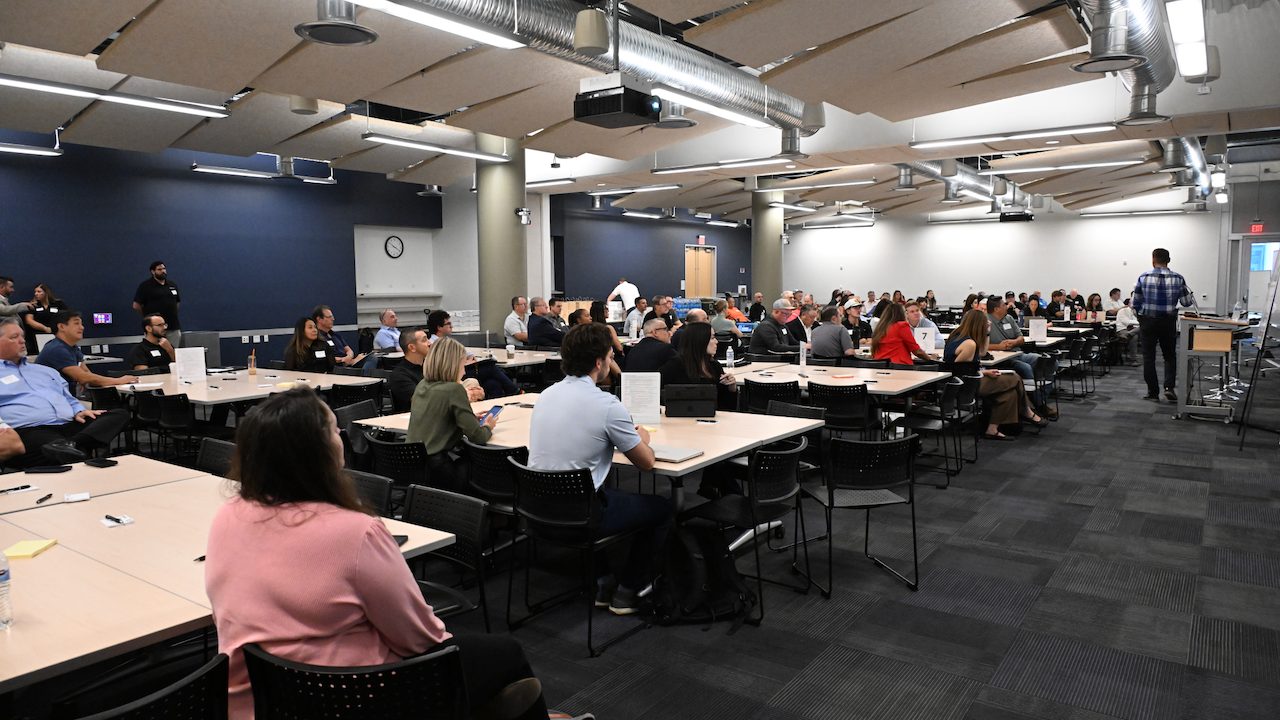
The clearest thing said on September 17 came from a county supervisor who had recently had to vote on a data center project. His account is below in full. The rest of the day follows it as four shorter pieces.
What a county supervisor needs before he can vote
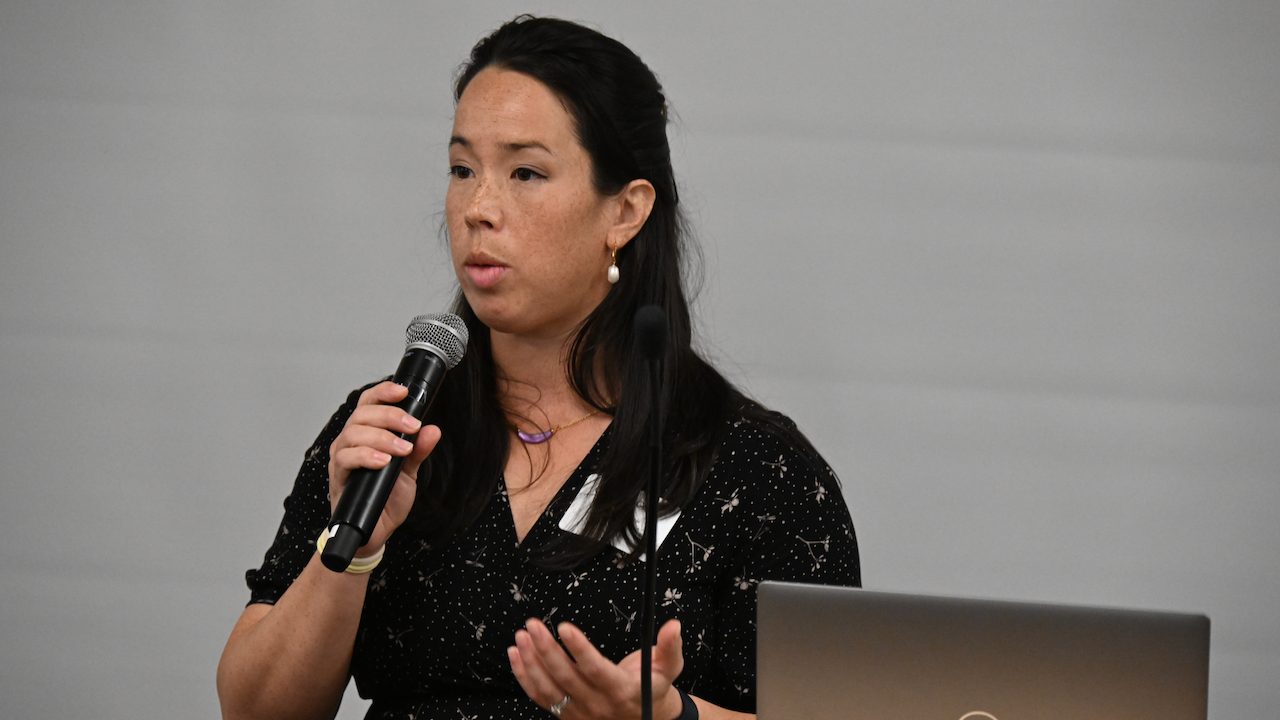
Pinal County Supervisor Rich Vitiello gave the room a direct look at the challenge elected officials face when they are being asked to vote on a complex project without feeling they have enough information. “I’m not against and not for. I don’t know enough,” he told the room.
“I don’t want to be sold anything. I want to be told the truth.”
Pinal County Supervisor Rich Vitiello
Later, he put the information gap even more plainly: “If I don’t know what I don’t know, please explain to me.” That may have been the clearest framing of the day. Elected officials and residents are increasingly asking whether the information they receive is complete, understandable, comparable and credible.
He described public meetings dominated by organized opposition while, in his view, too few technical experts were showing up to answer the questions elected officials were being asked to decide: packed meetings, extensive written comments and highly visible opposition, with no one in the room who could independently explain the technology before a decision had to be made.
His response was not to close the door. It was to ask for more engagement. He invited experts to come to Pinal County for work sessions and continued discussion, acknowledging that elected officials need opportunities to understand these issues before they are faced with a vote. That distinction matters. Showing up to advocate for a particular project is different from helping build understanding before a project is on the agenda.
The rest of the day
Water
There is no single number for data center water use
The answer depends on the cooling technology, the site, the climate and the design. Getting everyone onto the same terms comes first.
Water is an especially difficult subject in Arizona because the answers are rarely simple. The answer depends on the cooling technology, location, water source, climate, facility design and operating approach. A newer closed-loop design can look very different from an older facility that relies heavily on evaporative cooling.
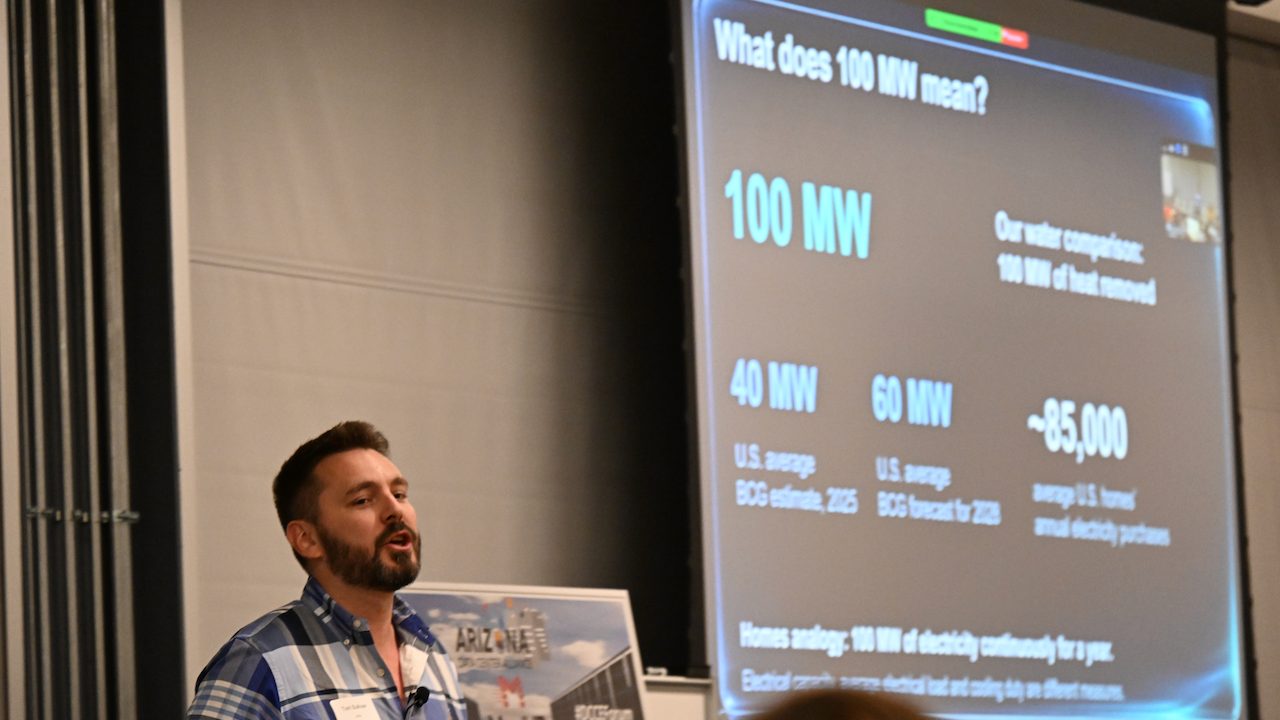
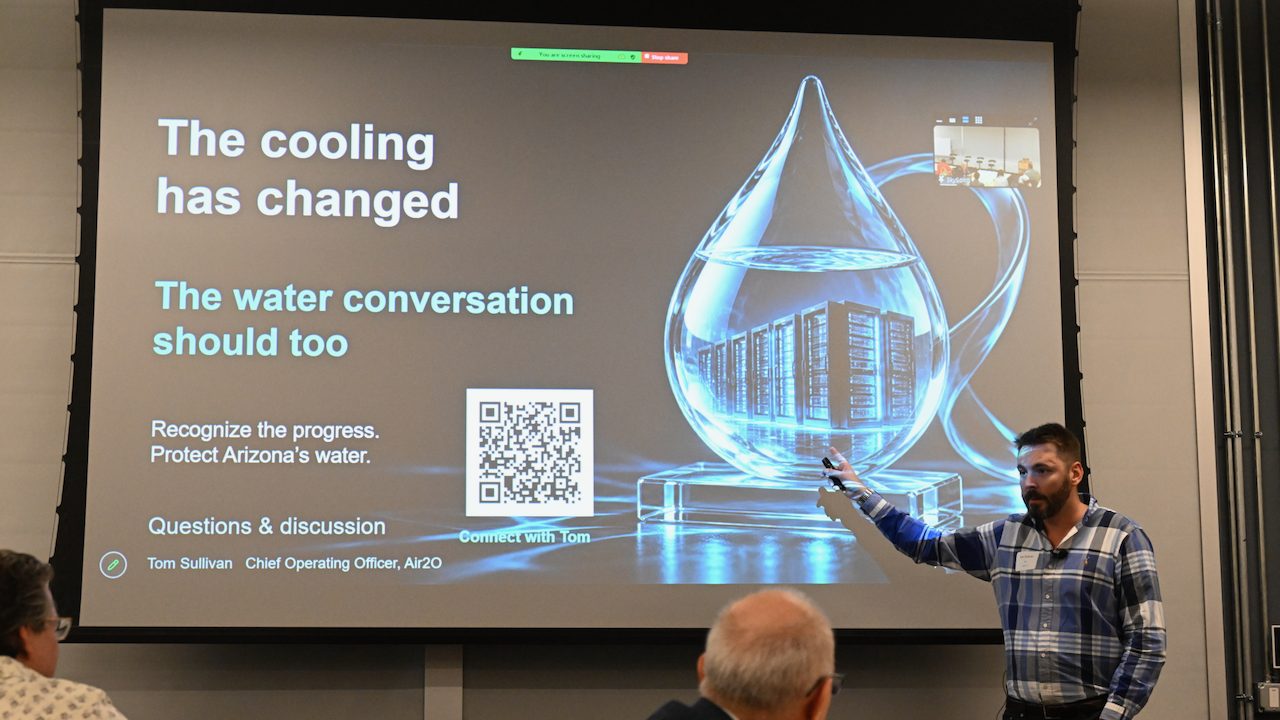
The day opened with an overview of open- and closed-loop cooling systems led by Tom Sullivan of Air2O. Sullivan emphasized that the first challenge is simply getting everyone to use the same language and compare the same things. He returned to the need to “anchor our conversation around common metrics.”
Read it here
The panel
Arizona is not one water market
Water resources, regulations and vulnerabilities change with the map, which makes statewide claims hard to apply to any single project.
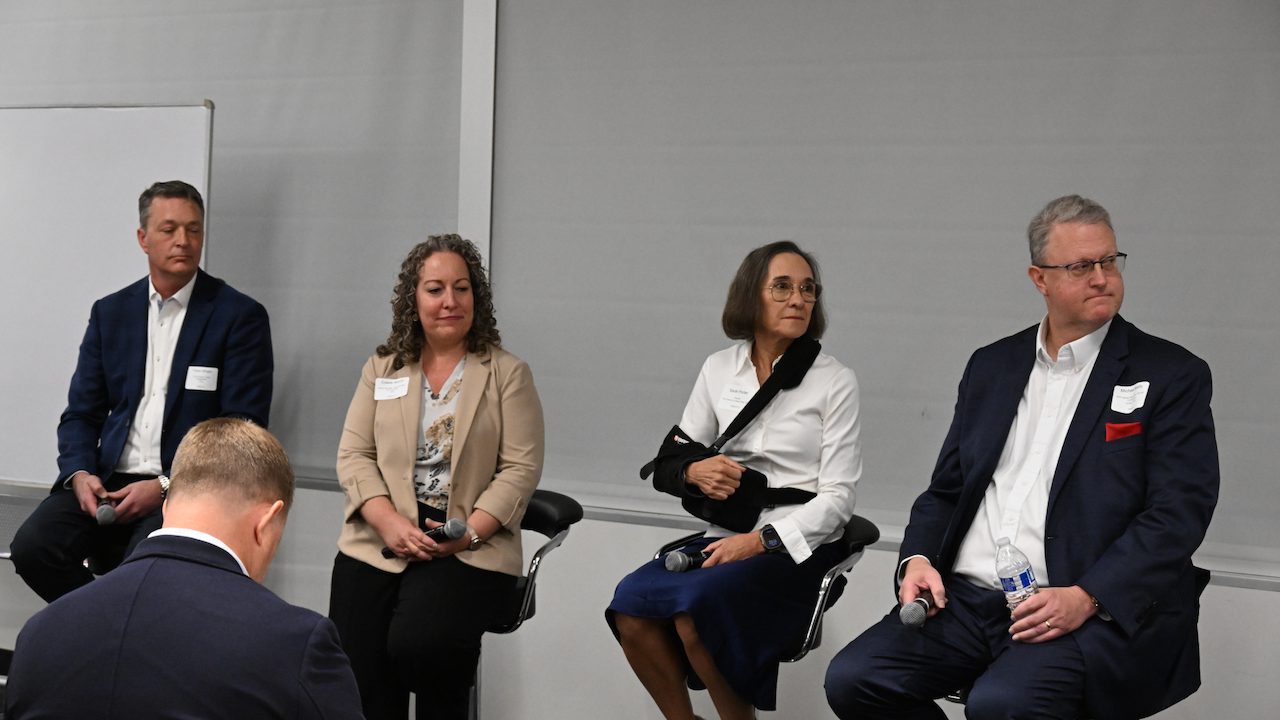
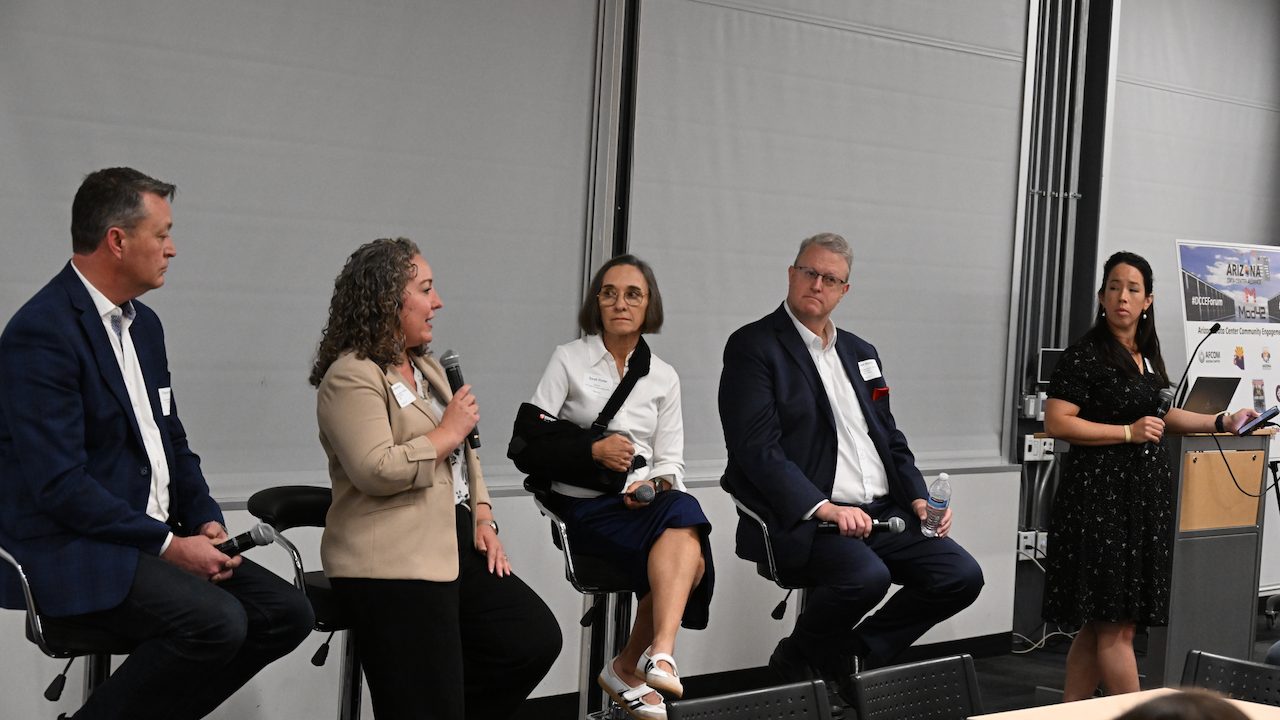
The water panel was moderated by Christina Casler of Beale Infrastructure and brought together Sarah Porter of the Kyl Center for Water Policy at Arizona State University, Travis Wright, CEM, Vice President of Utility Engagement at QTS Data Centers, Michael Beatty of Nalco Water/Ecolab and Colette Moore of Salt River Project.
One of the strongest points to emerge was that Arizona cannot be treated as a single water market. Water resources, regulations, infrastructure and vulnerabilities vary considerably depending on where a project is located. Porter noted that conditions outside Arizona’s Active Management Areas can be very different from those within the state’s larger metropolitan areas. That makes broad statewide claims difficult to apply to individual projects.
Read it here
Communities
What communities are asking for, and when
The questions are due diligence, the standards are local, and engagement that starts after the plans are drawn arrives too late to matter.
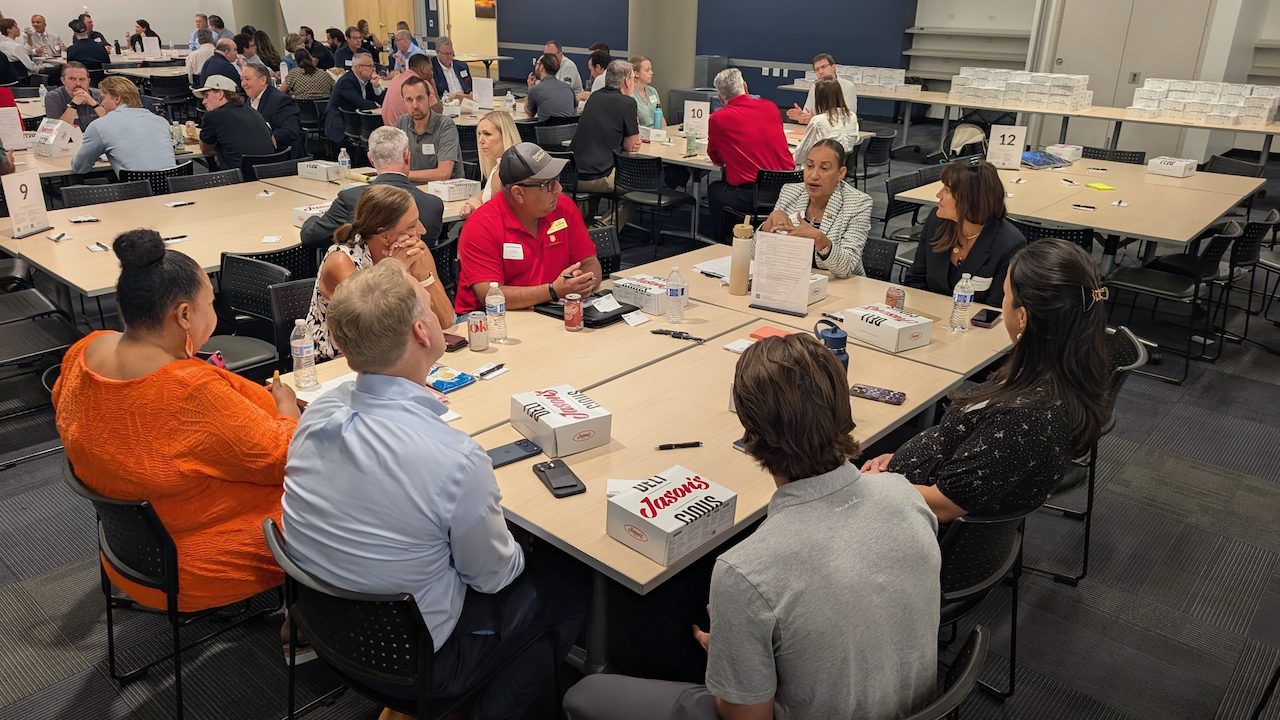
Communities do not just want answers. They want answers they can rely on. That means understanding a project in context, including where the water will come from, what infrastructure must be built, who pays for it, what economic benefits are expected, and which commitments will remain in place after approvals are complete. Those are not inherently anti-development questions. They are due diligence questions.
Travis Wright, CEM, Vice President of Utility Engagement at QTS Data Centers, encouraged communities to understand exactly what is being proposed rather than relying on broad assumptions about data centers as a category. “Make sure you know what that developer is proposing to build, and that it works for your community,” he said. The useful question is whether a specific project, in a specific place, with a specific design and set of commitments, makes sense for that community.
Read it here
What happens next
Florence offered to host the next one
AZDCA said it wants to take these sessions on the road. A Florence councilmember took the offer up in the room.
Andrea Clinton, Director of Community Engagement for the Arizona Data Center Alliance, told participants, “One of the things that we hope to do as a community engagement force is to take events like these on the road.” She extended the invitation directly to communities in the room, adding that AZDCA would welcome the opportunity to facilitate future sessions with them.
Councilmember Tony Bencina of the Town of Florence immediately took her up on the idea, offering Florence as a potential host. The offer is particularly timely because Florence has already created a Data Center Facility Ad Hoc Advisory Committee to help the community better understand and evaluate data center development.
Read it here
The next phase of Arizona’s data center growth will not be determined by who has the strongest talking points. It will depend on whether communities trust the process, whether public officials have reliable information before decisions are made, and whether developers are willing to discuss tradeoffs as openly as benefits. The future of the conversation will not be decided only in industry conference rooms. Increasingly, it will be decided in communities.